Lawmakers assess Lala damage; $6M in emergency funds OK’d
The U.S. Department of Transportation has approved an initial $6 million in emergency “quick release” funds to help Hawaii repair infrastructure damaged by Hurricane Lala.
Read more Mariners show resolve day after historic loss with bounce-back win
The U.S. Department of Transportation has approved an initial $6 million in emergency “quick release” funds to help Hawaii repair infrastructure damaged by Hurricane Lala.
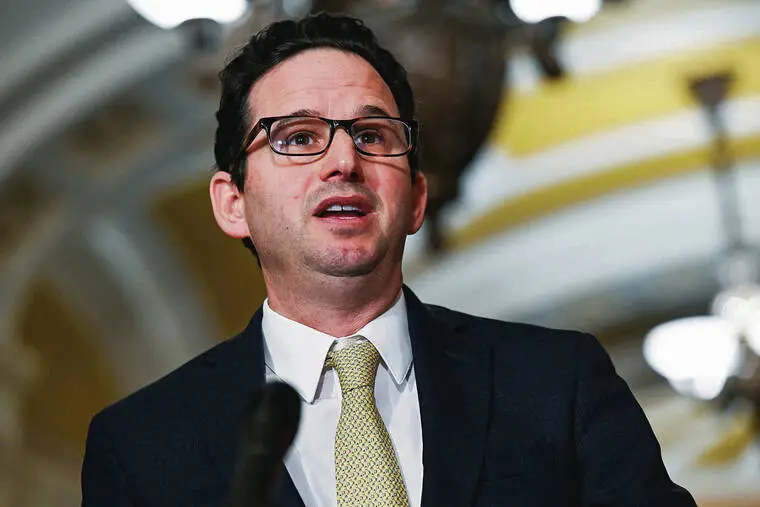
U.S. Sen. Brian Schatz Wednesday said the funds were approved after his call to DOT Secretary Sean Duffy on Sunday, urging quick approval of the federal funding. Additional funding and resources are expected in coming weeks and months, he added.
“This will help Hawaii move quickly from emergency response to recovery and get our communities back on their feet,” said Schatz in a statement. “Lala brought devastating flooding, damaged roads and bridges, knocked out power, and left communities isolated. These federal funds will help Hawaii move quickly to clear debris, restore access, and begin making the repairs our roads and highways need.”
The state, meanwhile, continues assessing storm-related transportation damage and carrying out recovery work.
State legislators representing parts of Hawaii Island that appears to have gotten the brunt of Lala believe they passed enough funding this legislative session that will allow the state and counties to absorb much of the costs for clean-up and repairs.
But Hawaii’s growing insurance crisis — which saw insurance companies continue to pull out of the Hawaii market following the 2018 Kilauea eruption, 2023 Maui wildfires and last year’s Kona low storms — has again raised concerns as property owners and renters scramble to cover their losses.
Damage assessments on each island are still underway so the true cost of repairs and clean-up from Lala remains unknown. So it’s uncertain for now whether Gov. Josh Green may again seek federal funding and support.
Sam Thomsen, the Hawaii Insurance Division’s chief investigator, urged victims to take photos and video of damaged property to support insurance claims.
He urged people filing claims to read their policies carefully because coverage varies whether they have flood insurance, hurricane insurance or just basic homeowner’s or renter’s insurance.
Policies vary depending on whether the damaged occurred on Hawaii Island, which was under a hurricane warning when Lala blew past, or on every other island that was under storm watches.
“The Big Island would be the only one that had that (hurricane warning) in place at the time,” Thomsen said. “The rest of the state was under storm watches.”
The insurance division cautioned people filing claims to keep damaged items, if possible, to show to their insurance adjusters.
They should also make reasonable temporary repairs, such as placing tarps over leaking roofs or boarding up broken windows.
But they should undertake permanent repairs until they’ve been approved by their insurance carrier.
Another issue that’s again been highlighted by Lala is the on-going lack of alternate routes into and out of communities under constant threat of disasters.
Lahaina’s main road out during the wildfires was blocked by fallen power lines, trapping victims and survivors to escape along historic Front Street.
Read more Big Isle nonprofits mobilize to provide, food, water, ice
Dozens survived by leaping over the rock wall, where they bobbed in the ocean for hours as flames and debris rained down on them.
Maui is now working on developing alternate routes while pleas continue on Leeward Oahu, which has only Farrington Highway open 24/7 to escape during a wildfire, hurricane or tsunami.
While state and Hawaii County road crews cleared fallen trees and utility lines that blocked major highways, neighbors once again jumped into action with chains and chain saws to clear fallen trees from remote roads that provide the only way in and out of rural communities, several Hawaii Island legislators said.
In Hawaii Island’s vast Puna District, where state property insurance is already more expensive after private insurers pulled out of the market even before Kilauea erupted, neighbors again helped remove fallen trees on Old Government Beach Road, said state Rep. Greggor Ilagan, (D, Hawaiian Paradise Park-Hawaiian Beaches-Leilani Estates).
Invasive “albizia trees have always been a problem in Puna,” he said. “When they fall, neighbors always come out and chain-saw and remove them. Our community is very resilient.”
He’s spent years pushing bills to provide greater and cheaper insurance options. One volcano-insurance related bill aimed at property owners in Hawaii Island’s “Lave Zones 1 and 2” made it to conference committee last session but died at the last minute.
He’s already working on ideas for insurance bills for the 2027 legislative session.
Rep. Chris Todd (D, Hilo-Keaau-Ainaloa) chairs the House Finance Committee that plays a key role in shaping the state’s annual budget.
He and Ilagan hope the state is adequately funded to clear and repair roads, bridges and other infrastructure in response to Lala, with the caveat that the true cost could skyrocket as damage assessments come in.
“It’s still too early to tell,” Todd said.
What he does know is that Lala destroyed “thousands of coffee plants that washed away down south” on the eve of the annual harvest, putting farmers at further financial risk.
“Harvest is scheduled to kick off any day,” he said. “There doesn’t seem to be a major crop.”
The state’s new increase in the transient accommodations tax aimed primarily at tourists to help Hawaii respond to climate change and better prepare for natural disasters also could be used to upgrade roads and bridges in areas prone to flood damage before another disaster hits, Todd said.
As a kid growing up in Hilo, Todd said, “whenever a bridge washed out, you built a better one. But instead of waiting for the next natural disaster, let’s be proactive now. At least in theory, a big focus on this ‘green fee’ should be on future prevention and community resilience.”
State Senate Majority Leader Dru Kanuha (D, Kona-Ka‘u-Volcano) wrote in an email to the Honolulu Star-Advertiser that, “We are still in the early stages of assessing the full impact of Lala across my District, and my office continues to collect information from residents, first responders, and our State and County partners. What is clear at this point is that the Ka‘u district appears to have been hit the hardest, with significant flooding and impacts to roads and access in several areas. … (There) have been severe impacts along Haao Springs Road in Wai‘ohinu that have affected access for residents in the area. We are also hearing reports of roads in the District being blocked by fallen trees and debris, with community members working alongside first responders to help clear critical access routes.”
While damage assessments continue, Kanuha said, “The Senate is actively discussing how we can best support our residents through what will undoubtedly be a lengthy recovery period. Our focus now should be on the immediate response, documenting impacts, and making sure residents have access to the assistance and resources available to them.”
At the same time, just like previous disasters such as the Maui wildfires, Kanuha warned residents “to remain vigilant about scams and misinformation. There are many legitimate, community-led efforts to help families affected by the storm, and residents who want to contribute should consider supporting reputable organizations and drives led by people and organizations they know and trust within their communities.”
Read more ‘It’s going to look a whole lot different’: HPA football seeks redemption in 2026
Star-Advertiser Writer Nina Wu contributed to this report.

Related Posts

Remembering Hawaii’s 9/11 victims

World Manta Day returns today
