PGV aims to boost output with new wells
Drilling is scheduled to start this month for several new wells at the Puna Geothermal Venture facility.
Drilling is scheduled to start this month for several new wells at the Puna Geothermal Venture facility.
The work is part of the company’s ongoing initiative to increase energy production and efficiency at the plant.
While PGV once supplied nearly a third of the island’s energy via Hawaiian Electric, production declined following the 2018 Kilauea eruption, which surrounded the facility with lava and caused damage to some equipment and infrastructure.
At a community meeting in Pahoa last week hosted by Ormat Technologies, PGV’s parent company, staff presented an update about the plans and the plant’s current operations and output.
According to Operations Supervisor Zach Adachi, PGV is producing approximately a net amount of 15 megawatts, down from previous output measurements which have fluctuated in recent years. The company has a contract with Hawaiian Electric to produce up to 38 megawatts, with plans to expand to provide 46 megawatts and potentially 60 megawatts further down the line.
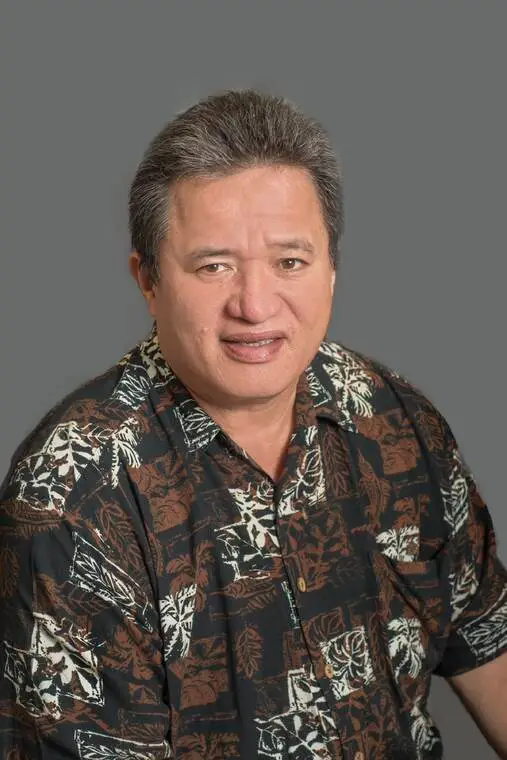
PGV Senior Director of Hawaii Affairs Michael Kaleikini said the new wells, along with other upgrades, will contribute to reaching that goal.
“There’ll be a total of four wells, which is what the current plan is,” he said during the meeting. “Two will be new, and two will be wells that we have that we’re going to recommission or restore. So, there were wells that went through the eruption, and (Department of Land and Natural Resources) made us go in to inspect to make sure it was okay, and so we’re going to use those wells.”
The work is occurring alongside PGV’s Repower project, an ongoing initiative to increase the plant’s output following the eruption. The project has drawn pushback from residents who have protested the geothermal plant for decades.
Puna resident Sara Steiner has been a vocal opponent of PGV for years, voicing concerns about the plant’s impact on air quality, health and the environment. She said geothermal energy production, especially so close to an active volcano, is not worth potential risks.
“Maybe we just don’t need it that much. We were fine for two years without you guys,” she said during the meeting, referencing the time during which the plant was not operational following the eruption.
Read more Former Hawaii QB Luke Weaver leads San Jose State’s offense
Shelley Ha‘i, another community member at the meeting, expressed concerns about the use of chemicals at the plant, specifically cyclopentane, a highly flammable liquid. She questioned whether an adequate plan was in place to deal with any potential explosions and noted that a PGV representative had been absent from the most recent meeting of the county’s Local Emergency Planning Committee.
Kaleikini responded that PGV staff were equipped to work with such chemicals.
“Our employees are trained on how to respond, how to handle all of our materials on site,” he said. “If not, you’re not allowed to work there. Safety is number one.”
Larry Wood, who has also been a vocal opponent of PGV, asked about the placement of air-quality monitors, which he said were not positioned in locations where they would be able to detect potentially dangerous gases like hydrogen sulfide that can be released through geothermal activity.
“From the well field to the west monitoring station, with the lava, this is the path it has to travel to get to the monitoring station,” he said, tracing a route up a hill on a large map printout he brought to the meeting. “It has to climb almost 1,000 feet to make it to the monitor, and it doesn’t do that.”
He said this means lower-lying communities could feel the effects of the gas without the monitors detecting its presence.
Kaleikini urged the residents to pursue their concerns with regulatory agencies. Steiner said she and other advocates had tried that approach before, but were unsuccessful.
“We’ve been trying to have a contested case with the Department of Health over your air pollution permit since 2015, and somehow your guys’ attorneys, along with the attorney general of the state of Hawaii, blocks us every single time … ,” she said. “That’s how come you guys are out here in the middle of our subdivisions and everything.”
Kaleikini said PGV would continue to operate and pursue its expansion plans unless ordered otherwise.
“We’re going to listen to the regulatory authority,” he said. “Currently, all permits that we need to do the work, we have it in hand. We do, we have everything we need.”
Read more Ray Kerr meets the moment as Braves cruise to Game 3 win over Phillies, move on to NLDS
The work to drill the new wells is expected to run into June 2027.
Email Grace Inez Adams at [email protected].