Visitor accused of hurling rock at monk seal pleads not guilty
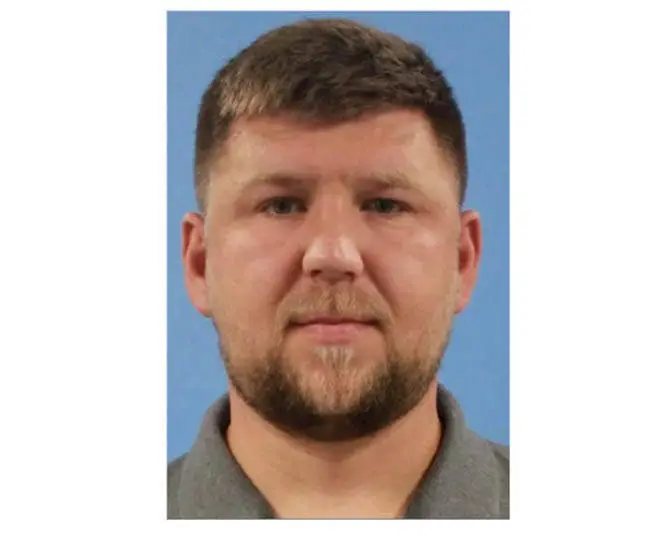
A 38-year-old Washington man pleaded not guilty Wednesday to two federal misdemeanors after he allegedly threw a large rock at the head of an endangered Hawaiian monk seal in Lahaina on May 5.
Read more New cellphone limits coming for Hawaii students
Igor Mykhaylovych Lytvynchuk, dressed in a short sleeve, untucked blue collared shirt and dark pants, was released on a $25,000 unsecured bond ahead of his next court appearance on Jun.9. Lytvynchuk previously surrendered his passport after he was arrested in Washington May 13.
His travel is restricted to Oahu and Washington, U.S. Magistrate Judge Rom A. Trader ordered.
Lytvynchuk is “not permitted to access any beaches or to try to approach any marine wildlife while in Hawaii,” Trader ordered.
“… You’re not going to the beach, you understand that?,” Trader asked Lytvynchuk.
“Yes, your honor,” Lytvynchuk replied.
Lytvynchuk and his attorney, Sean P. Fitzsimmons, declined Honolulu Star-Advertiser request for comment after Wednesday’s court appearance.
Read more Dodgers’ revamped batting order pummels Rockies 15-6
Lytvynchuk, of Covington, Wash., was charged Tuesday with violating the Endangered Species Act and Marine Mammal Protection Act. He had been free on an appearance bond and traveled to Honolulu for today’s hearing.
Lytvynchuk, through his attorney, has claimed he had no intention of harming the marine mammal. NOAA Fisheries scientists identified adult male R404 as the Hawaiian monk seal involved in the incident.
The federal statue’s definitions for “taking” includes, harassing, harming, pursuing, hunting, wounding, and killing a protected species, or “attempting to do so.” Lytvynchuk was previously charged by criminal complaint on May 12, with harassing and attempting to harass an endangered Hawaiian monk seal on May 5.
He was arrested the next day in Covington by special agents of the National Oceanic and Atmospheric Administration.
If convicted, Lytvynchuk, faces up to one year in prison for each charge, one year of supervised release for each charge, and a fine of up to $50,000 under the Endangered Species Act, a fine of up to $20,000 under the Marine Mammal Protection Act, and a fine of up to $100,000 under the Criminal Fine Improvements Act.