DOH reports two new travel-related cyclosporiasis cases in Hawaii
The state Department of Health has confirmed two additional cases of cyclosporiasis in Hawaii residents who became infected while traveling outside the state, bringing the total number of confirmed cases reported in Hawaii this year to three.
Read more Twins score twice in 12th to slay Guardians
Health officials said the two newest patients are members of the same household who traveled together internationally and to the mainland that has reported a cyclosporiasis outbreak. Based on their travel history, symptom onset and the parasite’s known incubation period, investigators determined the infections were acquired outside Hawaii.
The first confirmed case in 2026 involved a nonresident visitor who also contracted the illness outside the islands.
State health officials said there is no evidence of locally acquired infection or ongoing community transmission in Hawaii.
“Although these two cases involve Hawaii residents, they were exposed while traveling outside the state,” State Epidemiologist Dr. Sarah Kemble said in a statement. “There is no evidence of local transmission in Hawaii and the risk to the general public remains low. We encourage anyone experiencing persistent diarrhea after recent travel to seek medical care.”
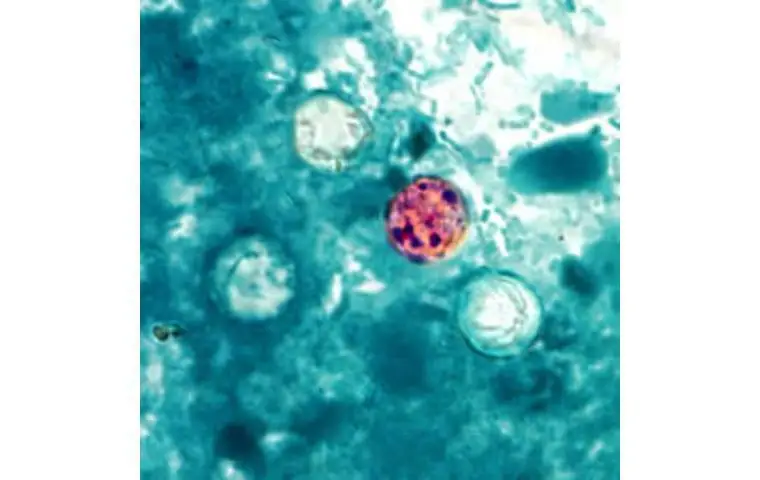
Cyclosporiasis is an intestinal illness caused by the microscopic parasite Cyclospora cayetanensis. People become infected by consuming food or water contaminated with the parasite. In the United States, outbreaks have most often been linked to certain fresh produce items.
The illness is not typically spread directly from person to person because the parasite must mature in the environment before becoming infectious.
Read more Vulcans volleyball welcomes 13 newcomers, including 5 players from Hilo
Symptoms usually develop about one week after exposure but can appear anywhere from two days to two weeks later. The most common symptom is frequent watery diarrhea. Other symptoms include loss of appetite, weight loss, stomach cramps or bloating, nausea, increased gas, fatigue and, less commonly, vomiting or a low-grade fever.
Without treatment, symptoms can last several weeks or longer and may come and go.
The Health Department said residents can reduce their risk by washing their hands thoroughly before preparing or eating food, rinsing fresh fruits and vegetables under running water, practicing safe food handling and seeking medical care if they experience prolonged or severe diarrhea, especially after recent travel or eating produce from an area associated with an outbreak.
Cyclosporiasis is treatable with prescription antibiotics. Healthcare providers who suspect infections are encouraged to report cases to the Health Department and submit appropriate specimens for testing.
Health officials said they will continue monitoring for additional cases and work with healthcare providers and public health partners to detect any signs of local transmission.
Read more High blank ballot rates prompt OHA voter education effort